Tucson’s sun is relentless. Summer afternoons can sizzle past 110 degrees, and even in winter, a chilly desert night can catch you off guard. Here, heating, ventilation, and air conditioning aren’t just conveniences - they’re essential for health and comfort. Yet with dozens of HVAC companies scattered across Pima County, many touting similar promises, what truly sets one apart? The answer isn’t always in flashy ads or deep discounts. In the Tucson market, genuine excellence comes from a mix of technical mastery, integrity, local knowledge, and thoughtful service.
More Than a Wrench: The Technician’s Touch
Walk into any reputable HVAC company in Tucson and you’ll hear stories of calls that turned into rescues. There’s the technician who found a family’s AC unit humming but barely pushing out cool air. A quick check revealed a clogged condenser coil choked by mesquite pollen and dust storms that only locals understand. He cleaned it up and had the house chilled again within an hour.
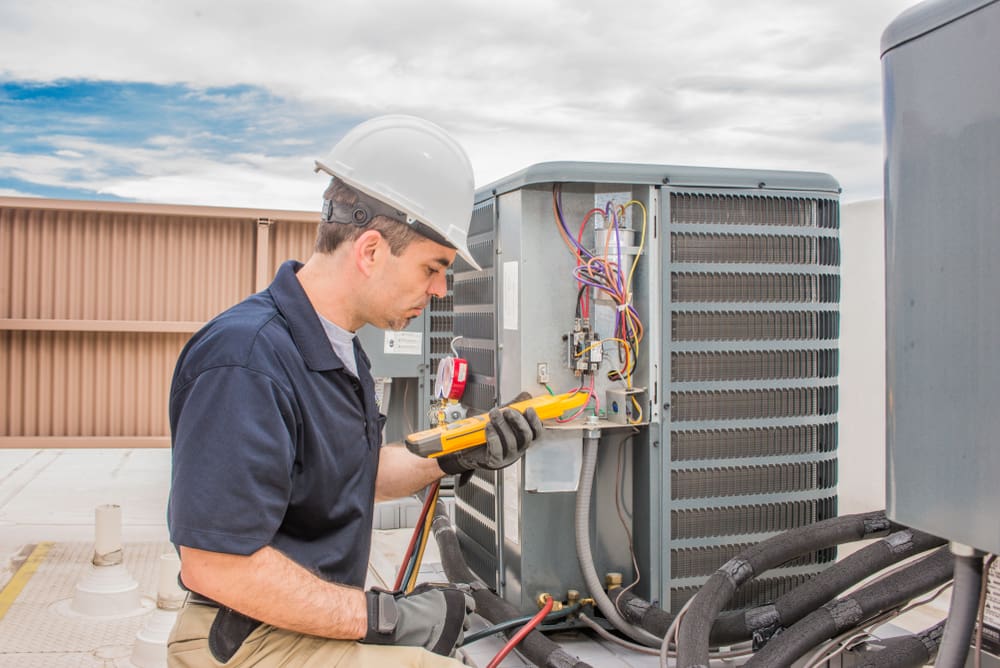
That kind of know-how isn’t built overnight. In this region, HVAC professionals face unique challenges: extreme heat spikes, rapid temperature swings between day and night, dust infiltration from monsoon winds, and brittle wiring chewed by local wildlife. Experience navigating these issues matters as much as technical credentials.
Certification Isn’t Optional
Arizona requires licensing for HVAC contractors, but not all certifications are created equal. Companies that invest in ongoing education for their teams - sending them to manufacturer trainings or encouraging NATE (North American Technician Excellence) certification - consistently deliver better results. These techs spot early signs of trouble during routine maintenance long before a system fails on the hottest day of July.
Local Knowledge: Why Tucson Isn’t Like Phoenix or Flagstaff
Anyone who has worked in both Phoenix and Tucson will tell you: the markets may share similar climates on paper but diverge quickly in practice.
Tucson homes often have older construction styles with flat roofs or adobe walls that absorb heat differently than suburban tract homes further north. Evaporative coolers (swamp coolers) remain common here because they once provided affordable relief before central air became widespread. But modern expectations for comfort mean more homeowners want to convert to high-efficiency AC systems without losing that classic Southwest charm.
A successful HVAC company in Tucson knows how to retrofit these older homes without causing leaks or compromising insulation. They also understand how our hard water affects equipment longevity - scale buildup can quietly strangle efficiency if not addressed during regular service visits.
Communication That Actually Communicates
If there’s one thing that repeatedly frustrates customers seeking AC repair in Tucson, it’s vague estimates or technicians who breeze through explanations using jargon no homeowner understands.
The best companies treat communication like part of the craft:
- They offer clear timelines for service windows instead of “we’ll be there sometime tomorrow.” Technicians take time to walk homeowners through what went wrong and which repairs matter most. Upfront pricing is standard; surprises are not. If a job uncovers something unexpected - say an aging furnace showing signs of heat exchanger cracking during a routine tune-up - they’ll show you exactly where the problem is rather than spinning up unnecessary upsells.
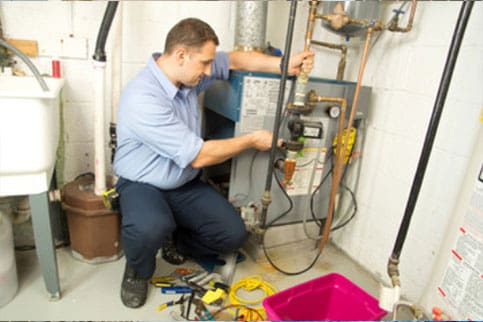
When my own mother called for furnace repair last winter after her heater sputtered out at 2 am, it wasn’t just expertise she valued. It was the calm voice on the phone promising someone would arrive before sunrise – and then following through with empathy at her door.
Response Times When It Counts
In triple-digit heat waves or sudden cold snaps, hours feel like days when your system stops working. National chains sometimes route calls through distant call centers unfamiliar with Arizona urgency. Local companies earn loyalty by answering phones after hours - sometimes even texting updates directly from techs en route.
Response time alone won’t win lasting trust unless paired with actual solutions (not just temporary fixes). Some companies stock their trucks with common replacement parts tailored specifically to regional needs: capacitors rated for high ambient temperatures or blower motors sized for dusty airflow restrictions.
During monsoon season when lightning strikes batter power lines and surge protectors get tested nightly, being prepared means carrying backup components most likely to fail under desert stressors.
Fair Pricing Without Gimmicks
Price matters everywhere but especially so in cities where incomes vary widely across neighborhoods like Oro Valley versus South Tucson. Too-cheap bids often signal corner-cutting: reusing old refrigerant lines when code requires new ones or skipping crucial vacuum pulls during an AC installation can lead to costly callbacks later.
Transparent quotes should break down labor versus materials so clients see exactly what they’re paying for - not just a lump sum scribbled on carbon copy paper after the fact.
A seasoned HVAC contractor in Tucson knows how to balance cost-conscious repairs with long-term reliability recommendations. Sometimes this means gently steering customers away from patchwork fixes toward investing in modern equipment eligible for energy rebates through local utilities like TEP (Tucson Electric Power).
Reputation Built One Home at a Time
Online reviews carry weight everywhere but especially so in tight-knit communities where word-of-mouth spreads fast. I’ve seen families choose an HVAC company based solely on a neighbor’s story about how their technician took extra time to seal up duct leaks he noticed while changing out an air filter - even though it wasn’t originally part of the job ticket.
Local awards help but don’t guarantee quality; pay closer attention to consistency over years rather than one-off ratings boosts after marketing pushes.
Repeat business reveals loyalty more than review scores ever could: property managers who keep calling back the same team year after year; businesses who trust their commercial rooftop units only to techs who remember every quirk of their system history.
Custom Solutions for Unique Desert Needs
No two homes need exactly the same solution here. Sweltering west-facing rooms might benefit from zoned cooling upgrades or advanced thermostats that learn daily patterns. Historic bungalows may require clever ductwork rerouting during renovations so original plaster stays intact while efficiency climbs skyward.
Tucson’s blend of elevation changes means some neighborhoods experience microclimates - foothills can dip ten degrees cooler at night while valley floors bake longer each afternoon. An attentive HVAC company factors these subtleties into every design recommendation and maintenance schedule.
When One Size Doesn’t Fit All
Some companies push generic packages regardless of your home’s specifics: “Silver,” “Gold,” “Platinum” tiers with little flexibility built-in. The standouts ask questions first:
- How does your family use each room? Are there allergy concerns requiring higher-grade filtration? Do you plan on adding solar panels soon (which impacts electrical loads)?
By listening before quoting, they avoid mismatches that leave customers dissatisfied months down the road when summer stress tests reveal missed details.
Maintenance Programs That Do More Than Stickers on Thermostats
Annual maintenance shouldn’t be perfunctory checkbox work completed in under 30 minutes just so another sticker goes up next to your thermostat display code number.
Effective programs include:
Seasonal inspections tailored around Tucson’s dust storms and pollen cycles Filter replacements specific to your usage habits Early detection scans for refrigerant leaks common after monsoon surges best ac repair in Tucson Detailed reports that flag small issues before they become emergencies Priority scheduling perks during peak demand weeksThese aren’t luxury add-ons; they’re practical investments proven to extend system life by years compared to reactive-only care models more typical elsewhere.
Sustainability Matters More Than Ever
Energy bills spike quickly here if systems are undersized or poorly maintained; savvy homeowners want green solutions that also cut costs long-term. Whether upgrading insulation around attic ducts or installing variable-speed compressors designed for part-load operation during shoulder seasons, forward-thinking companies help clients access rebates while genuinely reducing environmental impact.
Some now offer home energy audits as part of initial consultations - measuring everything from window leakage rates to solar gain patterns before making recommendations about upgrading old units versus repairing them yet again.
It takes courage sometimes to advise against replacing units prematurely if smaller tweaks will suffice; trust grows fastest when honesty trumps sales quotas.
Navigating Emergencies With Grace
Extreme weather events test everyone’s patience but separate fly-by-night operations from reliable partners almost instantly:
When wildfires threaten outskirts neighborhoods near Mount Lemmon or Sabino Canyon, smoke can clog filters overnight - I’ve seen crews work overtime replacing hundreds within days just so vulnerable residents could breathe easier indoors again. During record-breaking heatwaves (like June 2021), established firms triaged calls based on medical vulnerability flagged discreetly by dispatchers rather than only serving those willing to pay double for “emergency” rates. This level of care isn’t taught; it’s cultivated over decades serving neighbors rather than viewing customers as job numbers on a spreadsheet.
Trade-offs: Repair Versus Replace Dilemmas
Every homeowner dreads hearing their system is “beyond repair.” Yet honest assessment means weighing several variables:
- Age: Most central ACs last 10-15 years under heavy desert load yet some limp along much longer if well cared-for. Efficiency: Upgrading from SEER 10 relics to SEER 16+ units slashes bills but carries upfront cost. Safety: Cracked heat exchangers in old furnaces pose real danger - replacement becomes non-negotiable then. A trustworthy HVAC company doesn’t rush this conversation nor pressure-sells shiny upgrades simply because margins are higher.
They’ll lay out total costs over five years factoring repairs versus new install pricing plus utility savings so families make informed choices grounded in data.
Where Craft Meets Character
Ultimately what elevates one HVAC company above another here isn’t visible at first glance: it lives in small moments done well under pressure time after time.
It’s found when dispatchers calmly talk anxious parents through temporary cooling hacks at midnight until help arrives…or when installers slip booties over work boots unprompted so tile floors stay spotless.
It shows up when managers follow up days later just to confirm everything feels right post-repair…and yes, even apologizing swiftly if mistakes occur.
In a city shaped by extremes both environmental and personal, those touches matter as much as technical skills.
So if you’re searching for ac repair in Tucson or weighing which HVAC contractor merits your trust long-term - look past glossy websites toward those acts of quiet reliability neighbors remember long after temperatures return toward normal.
The best HVAC company in Tucson doesn’t simply fix machines; it keeps families safe year-round while honoring what makes this city unique.
And around here? That’s worth its weight in gold on any thermometer scale you choose.
Keywords naturally included: ac repair in Tucson, hvac repair in Tucson, hvac contractor in Tucson, hvac company in Tucson, furnace repair in Tucson.